Portable Modular Data Center: The Future of Scalable and Efficient IT Infrastructure

Introduction
The rapid growth of digital transformation, cloud computing, edge computing, and data-driven operations has created an urgent need for flexible and efficient IT infrastructure. Traditional data centers, while powerful, are often expensive, time-consuming to build, and difficult to scale. This challenge has led to the rise of the portable modular data center, a modern solution designed to meet today’s dynamic business and technology demands.
A portable modular data center offers a compact, scalable, and rapidly deployable alternative to conventional facilities. It is engineered to deliver high performance, energy efficiency, and reliability while allowing organizations to expand their computing capabilities without the constraints of permanent construction.
What Is a Portable Modular Data Center?
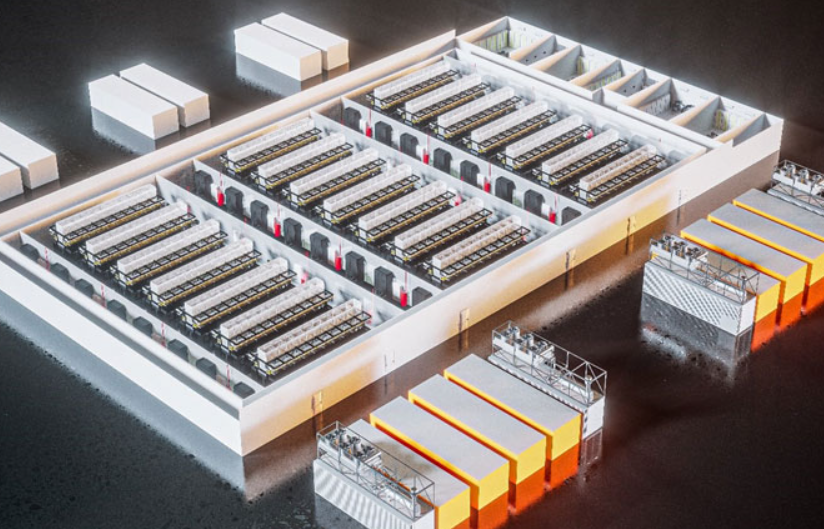
A portable modular data center is a self-contained, prefabricated IT infrastructure unit that houses servers, networking equipment, power distribution, cooling systems, and security components within a modular enclosure. These units are manufactured off-site, tested under controlled conditions, and delivered ready for deployment.
Unlike traditional data centers, portable modular data centers can be installed in a wide range of environments, including urban areas, remote locations, industrial sites, and disaster recovery zones. Their modular design allows organizations to add or remove capacity as needed, making them highly adaptable.
See also: Jennifer Bylo Net Worth: Not Available (Likely a Private Individual)
Key Components of a Portable Modular Data Center
Modular IT Enclosures
These enclosures are designed to protect sensitive equipment from environmental factors such as dust, heat, and humidity. They are built to withstand transportation and harsh operating conditions.
Power Infrastructure
Portable modular data centers include integrated power systems such as uninterruptible power supplies, backup generators, and intelligent power distribution units to ensure continuous operation.
Cooling Systems
Efficient cooling solutions are essential to maintain optimal performance. These systems often use advanced airflow management and energy-efficient cooling technologies.
Network Connectivity
High-speed networking equipment ensures seamless data transmission and integration with existing IT environments.
Monitoring and Management
Remote monitoring systems allow administrators to track performance, power usage, temperature, and security in real time.
Advantages of Portable Modular Data Centers
Rapid Deployment
One of the biggest advantages of a portable modular data center is speed. Deployment can take weeks instead of years, enabling faster time to operation.
Scalability and Flexibility
Organizations can scale their infrastructure incrementally by adding new modules as demand grows, avoiding overinvestment.
Cost Efficiency
Reduced construction costs, optimized energy usage, and lower maintenance requirements make portable modular data centers a cost-effective solution.
Energy Efficiency
Modern designs prioritize sustainability through efficient cooling, optimized airflow, and intelligent power management.
Mobility
These data centers can be relocated if business needs change, making them ideal for temporary projects or evolving operational requirements.
Use Cases for Portable Modular Data Centers
Edge Computing
Portable modular data centers support low-latency processing by placing computing resources closer to end users and devices.
Disaster Recovery
They provide a reliable backup solution during emergencies, ensuring business continuity when primary facilities are compromised.
Remote and Industrial Locations
Industries such as mining, oil and gas, and construction benefit from portable IT infrastructure in locations where traditional data centers are impractical.
Growing Enterprises
Organizations experiencing rapid growth can deploy modular units to expand capacity without disrupting existing operations.
Security and Reliability
Security is a critical aspect of any data center. A portable modular data center is designed with multiple layers of physical and digital protection, including access control systems, surveillance, fire suppression, and environmental monitoring. These features ensure data integrity and system reliability even in challenging environments.
Future of Portable Modular Data Centers
As demand for faster deployment, edge computing, and sustainable IT solutions increases, portable modular data centers will play an even greater role in global infrastructure strategies. Advances in artificial intelligence, automation, and energy management will further enhance their efficiency and performance.
Frequently Asked Questions (FAQs)
What makes a portable modular data center different from a traditional data center?
A portable modular data center is prefabricated, scalable, and mobile, while traditional data centers are permanent structures that require long construction timelines.
Are portable modular data centers suitable for large enterprises?
Yes, they are suitable for both small and large enterprises due to their modular scalability and enterprise-grade performance.
How secure is a portable modular data center?
They include robust physical security, monitoring systems, and environmental controls to ensure high levels of protection and reliability.
Can a portable modular data center be customized?
Yes, modules can be customized based on power capacity, cooling requirements, and IT workloads.
Are portable modular data centers energy efficient?
They are designed with advanced cooling and power optimization technologies, making them more energy-efficient than many traditional setups.
Conclusion
The portable modular data center represents a powerful shift in how organizations design and deploy IT infrastructure. By combining flexibility, speed, scalability, and efficiency, it addresses the limitations of traditional data centers while supporting modern computing demands. As businesses continue to adapt to changing technological landscapes, portable modular data centers provide a reliable, future-ready solution that enables growth, resilience, and operational excellence.